
Serve-and-Volley and Style Match-Ups in Tennis Betting
 Available in US
Loading...
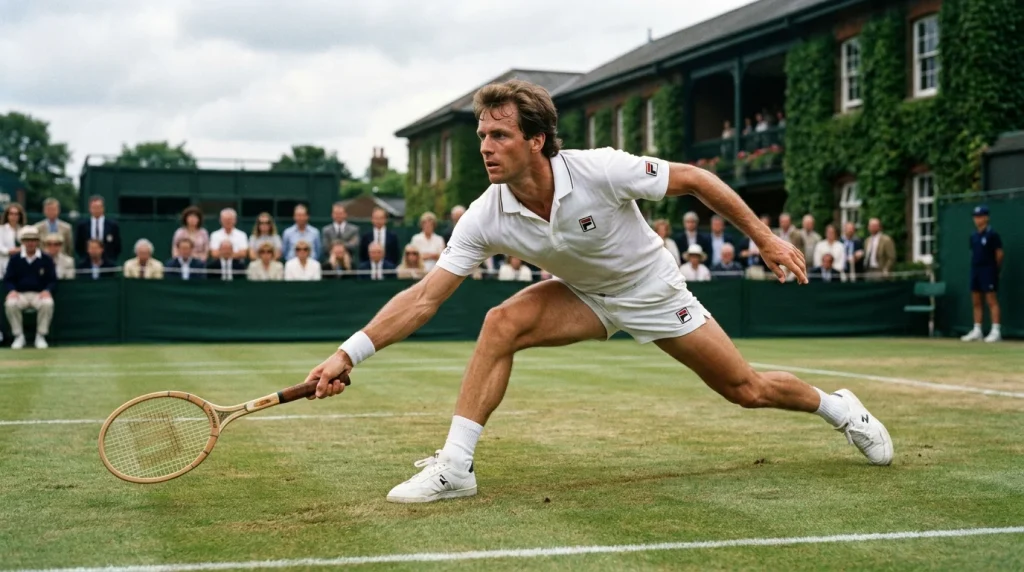
Rankings tell you who’s better, not who wins this match
Two players of near-identical ranking meet, and the market prices them close to even. But one is a relentless baseline counterpuncher and the other a flat-hitting aggressor who hates being given pace, and that stylistic clash will decide the match far more than the ranking gap suggests. This is the blind spot in a lot of tennis betting: the market is good at pricing who’s better in general and worse at pricing who beats whom specifically. Style match-ups are where that gap lives.
Tennis is a game of rock-paper-scissors as much as of pure quality. A particular style can systematically trouble another regardless of ranking, because it attacks the opponent’s preferred patterns and denies them the game they want to play. Surface amplifies these clashes enormously, and on the right court a stylistic mismatch can overturn a result the rankings would never predict. The punter who reads the styles, not just the standings, finds value precisely where the market has anchored too heavily to overall quality.
The main style archetypes
To price a match-up, you first need to recognise the archetypes, because each has natural predators and natural prey. The big server, or serve-and-volley descendant, lives on free points from the serve and wants short points, rushing the net to finish quickly. The aggressive baseliner dictates from the back of the court with heavy, flat hitting, taking time away from opponents. The counterpuncher, or grinder, absorbs pace, retrieves relentlessly, and wins by extending rallies until the aggressor errs. And the all-courter blends these, comfortable in several modes.
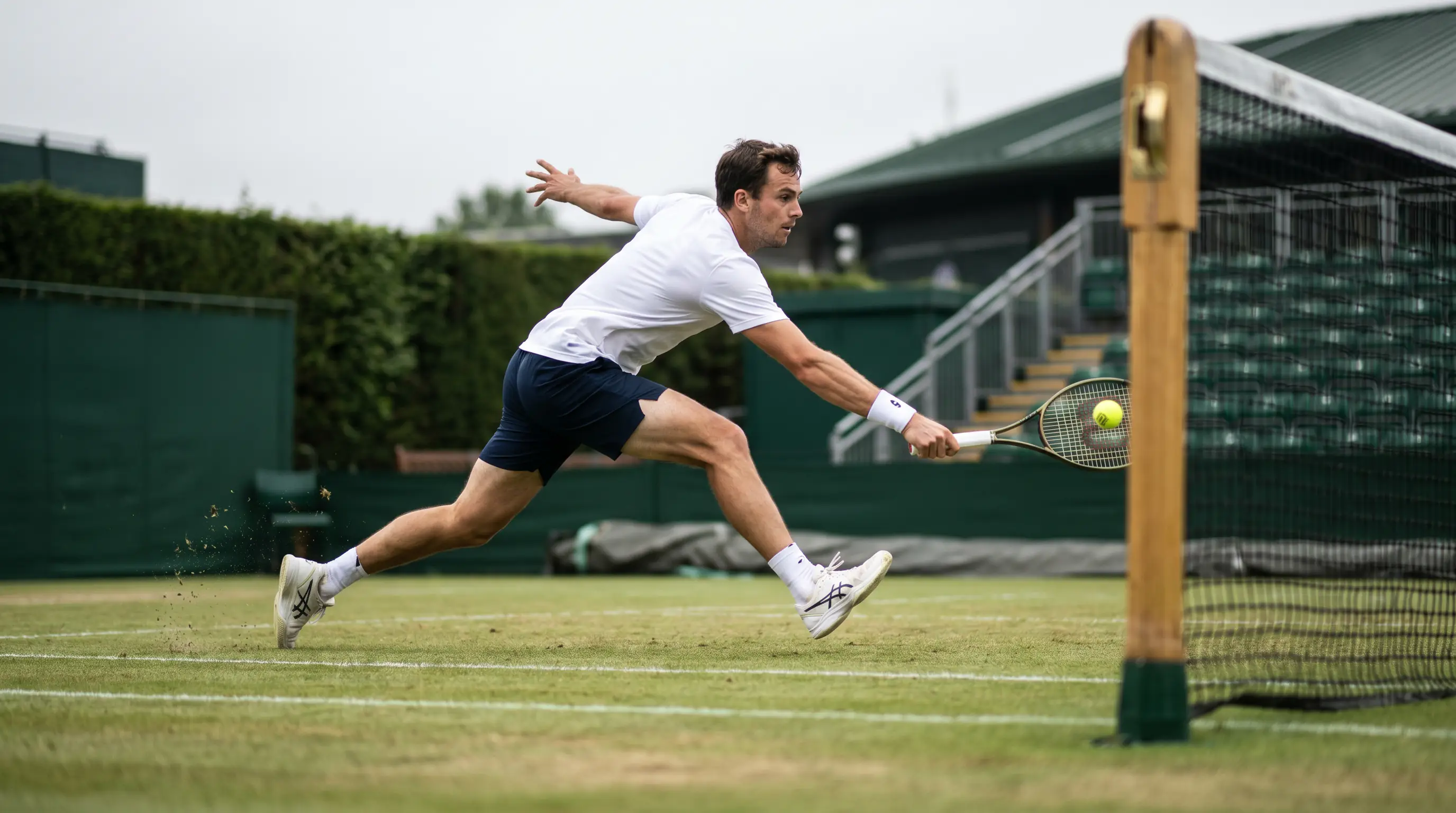
The interactions between these types are where matches are decided. A big server troubles a counterpuncher on a fast court by denying them the rallies they crave, but the same counterpuncher can dismantle that server on a slow court where serves sit up and rallies extend. An aggressive baseliner who needs pace can be neutralised by a junk-baller who gives them nothing to hit, while crushing a passive grinder who feeds them the pace they love. None of this shows up in the rankings, yet it’s often the single biggest determinant of a specific result.
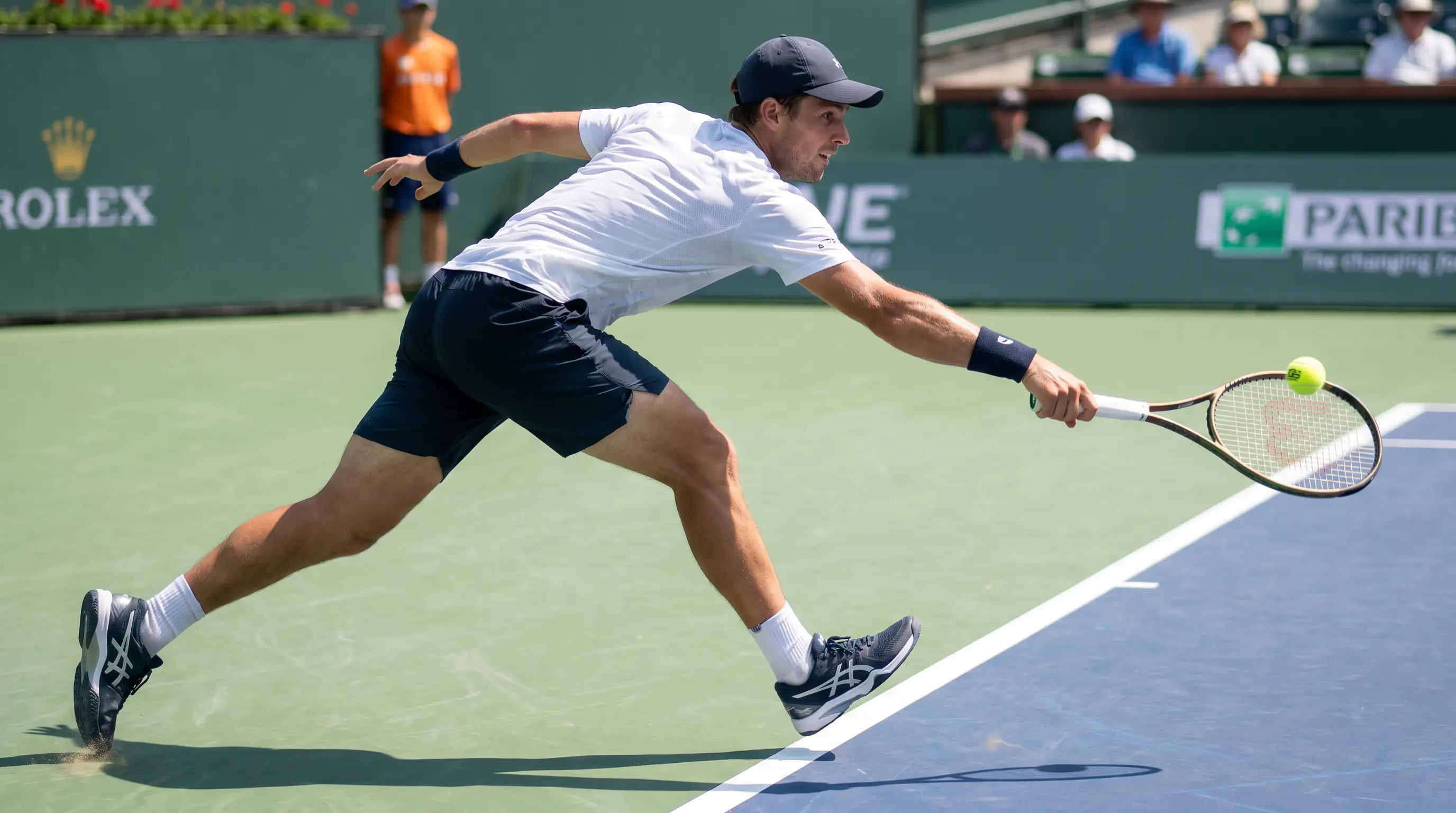
Reading a match-up means asking how each player’s patterns interact, not just who’s ranked higher. Does one player’s strength attack the other’s weakness? Does the surface let the aggressor impose their game, or does it give the retriever time to frustrate them? When I can articulate a clear mechanism, this style beats that style on this surface for this reason, I have a real read. When the rankings say one thing and the style match-up says another, the style match-up is frequently where the value sits, because the market has under-weighted it.
Which styles grass rewards
Grass is where style matters most, because the surface so dramatically favours certain games over others. The low, fast bounce rewards the server and the aggressor, who get cheap points and short rallies, while punishing the counterpuncher whose retrieving game depends on time and high bounces that grass simply doesn’t provide. Serve-and-volley tactics, long thought extinct, retain real value on grass precisely because the surface rewards getting to the net behind a serve that skids through low and fast.
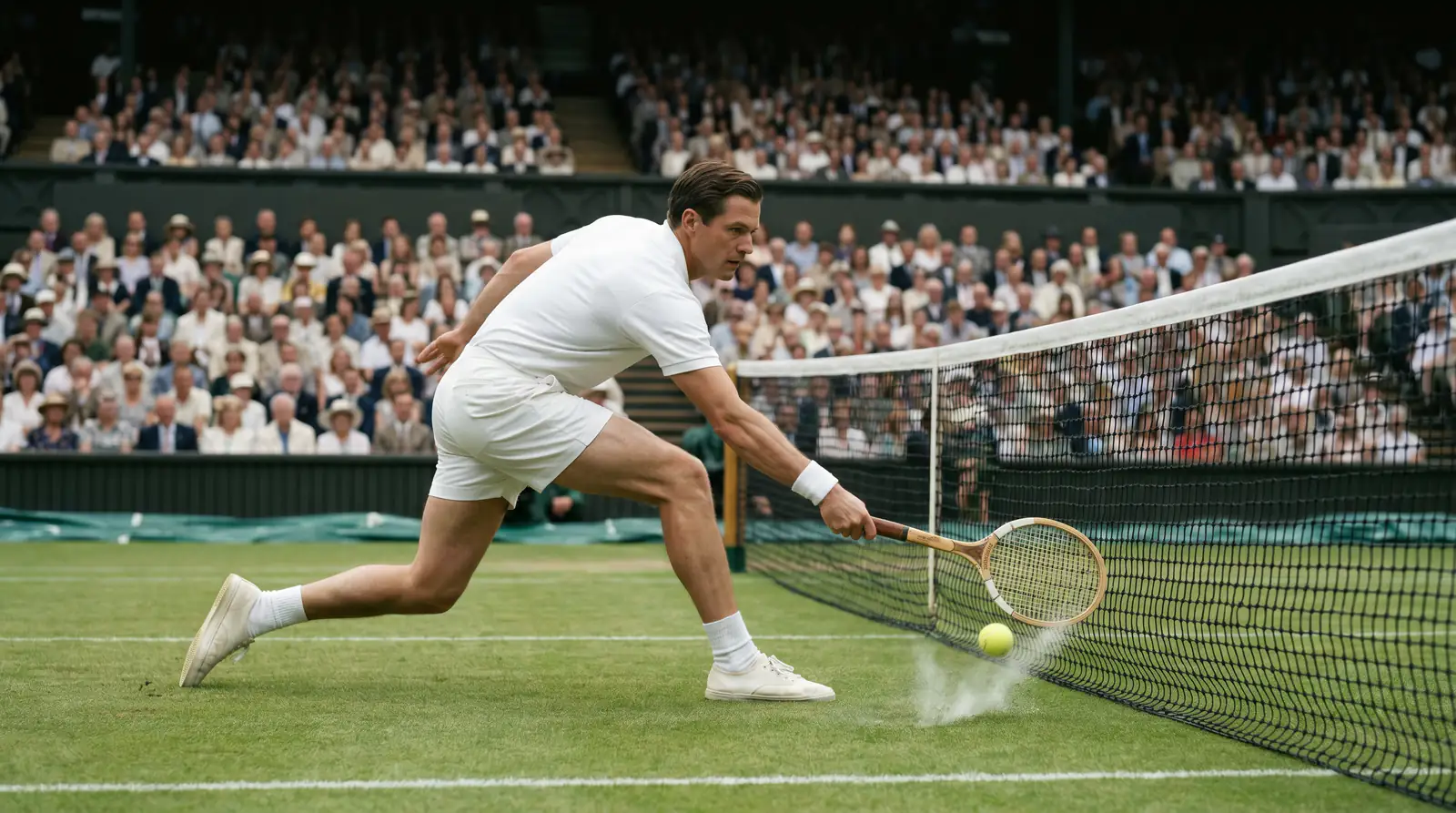
The numbers reinforce this. First-serve effectiveness is highest on the quick surfaces, and grass amplifies serving dominance more than any other court, which is why hold rates climb and breaks become precious there. A big server who looks ordinary on clay can become a genuine threat on grass, where their weapon is sharpened and their opponents’ retrieving is blunted. The market knows this in broad strokes but often underprices just how much a specific serving or attacking game gains on grass, especially for players whose overall ranking is built on clay-court results that don’t travel. The full picture of how each surface reshapes the game sits in my piece on how court surface decides tennis bets.
Clay is the mirror image, and worth naming for contrast. The slow, high bounce takes away the server’s cheap points and hands the advantage to the counterpuncher and the grinder, who thrive on long rallies and have time to retrieve everything. A serve-and-volley or pure-power game that dominates on grass can look toothless on clay, where the surface neutralises pace and rewards patience. The same player, the same style, can be a strong bet on one surface and a poor one on another, purely because of how the court interacts with their game.
Pricing a style mismatch
The practical art is spotting a stylistic mismatch the price has ignored, and the clearest opportunities come when surface and style align against a player the ranking favours. The extremes of surface specialisation make the point vividly: across their peaks, the great clay specialists posted win rates on clay far above their hard-court figures, and vice versa, because their styles and the surfaces were perfectly matched or mismatched. Most players exhibit milder versions of the same effect, and the market doesn’t always price it fully.

I look for the specific situation where a higher-ranked player is walking into a stylistic trap on the wrong surface. A clay-bred grinder facing a big server on grass, where their retrieving counts for less and the server’s weapon counts for more, is often priced too short because the ranking flatters them. The underdog server, whose game the surface and match-up both favour, can be genuine value precisely because the market anchored to the rankings rather than the clash. These are the bets I hunt: not blind underdog backing, but specific, mechanism-driven mismatches the price has underrated.
So the discipline is to read every match through the lens of style and surface before you look at the rankings, then check whether the price reflects the match-up or just the standings. When they diverge, when the styles and the surface point one way and the ranking-driven price points another, you’ve found the kind of edge the market routinely leaves on grass and clay alike. Tennis isn’t just a hierarchy of quality; it’s a web of stylistic clashes, and the punter who maps those clashes onto the surface reads matches the market consistently misprices.
Articles
Prepared by the AceEdge editorial staff.
