
Responsible Tennis Betting: Staying in Control and UK Support
 Available in US
Loading...

Control is part of the strategy, not a footnote
Every betting guide bolts a single line about gambling responsibly to the bottom of the page, and almost nobody reads it. I want to put it where it belongs, at the centre, because staying in control isn’t a moral afterthought to a winning strategy; it is the strategy. A punter who loses control of their betting will surrender any edge they have, and then some, because the discipline that makes betting work is the same discipline that keeps it safe. The two are inseparable.
Around one in five adults places a sports bet in a given year, and for the overwhelming majority it stays an enjoyable pastime. For a minority it becomes something harder to manage, and the line between the two can be quietly crossed without anyone noticing. This article is about recognising that line, knowing the tools that help you stay on the right side of it, and knowing exactly where to turn for free, confidential support in the UK if betting stops feeling like fun. None of that undermines your betting. It protects the person doing it.
Signs of losing control
The hardest part of staying in control is noticing when you’re slipping, because the changes are gradual and the mind is good at explaining them away. The clearest signal is when betting stops being fun and starts feeling like a compulsion or a chore, something you do to chase a feeling or recover a loss rather than for enjoyment. If you find yourself betting to escape stress, or feeling anxious rather than entertained when you place a wager, that shift in how it feels is worth taking seriously.

Other signs are behavioural. Betting more than you intended, or more often than you meant to. Chasing losses by increasing stakes to win back what’s gone, which is both a betting error and a warning sign about control. Betting money set aside for other things, or finding that gambling is taking up more of your thoughts and time than you’re comfortable with. Concealing the extent of your betting from people close to you, or feeling defensive when it comes up, is another signal that the relationship with betting has changed. The pressure that affects players on court, where even the data shows performance shifting under stress, has a parallel in the punter who feels that same pressure mounting around their betting.
If any of this sounds familiar, it doesn’t mean anything is wrong with you, and it doesn’t mean you can’t enjoy betting again. It means it’s worth pausing and checking in with yourself honestly, because the earlier you notice a change, the easier it is to step back and reset. Recognising the signs is not a failure; it’s exactly the kind of self-awareness that keeps betting in its proper place.

UK tools and resources
The good news is that UK punters have access to genuine, well-built tools for staying in control, far beyond a token disclaimer. Licensed operators are required to offer a range of controls you can set yourself: deposit limits that cap what you can pay in over a period, time-outs that lock you out for a short break, and reality checks that remind you how long you’ve been playing. These are there to be used, and setting them when you’re calm and clear-headed is a sensible way to keep your future self on track.
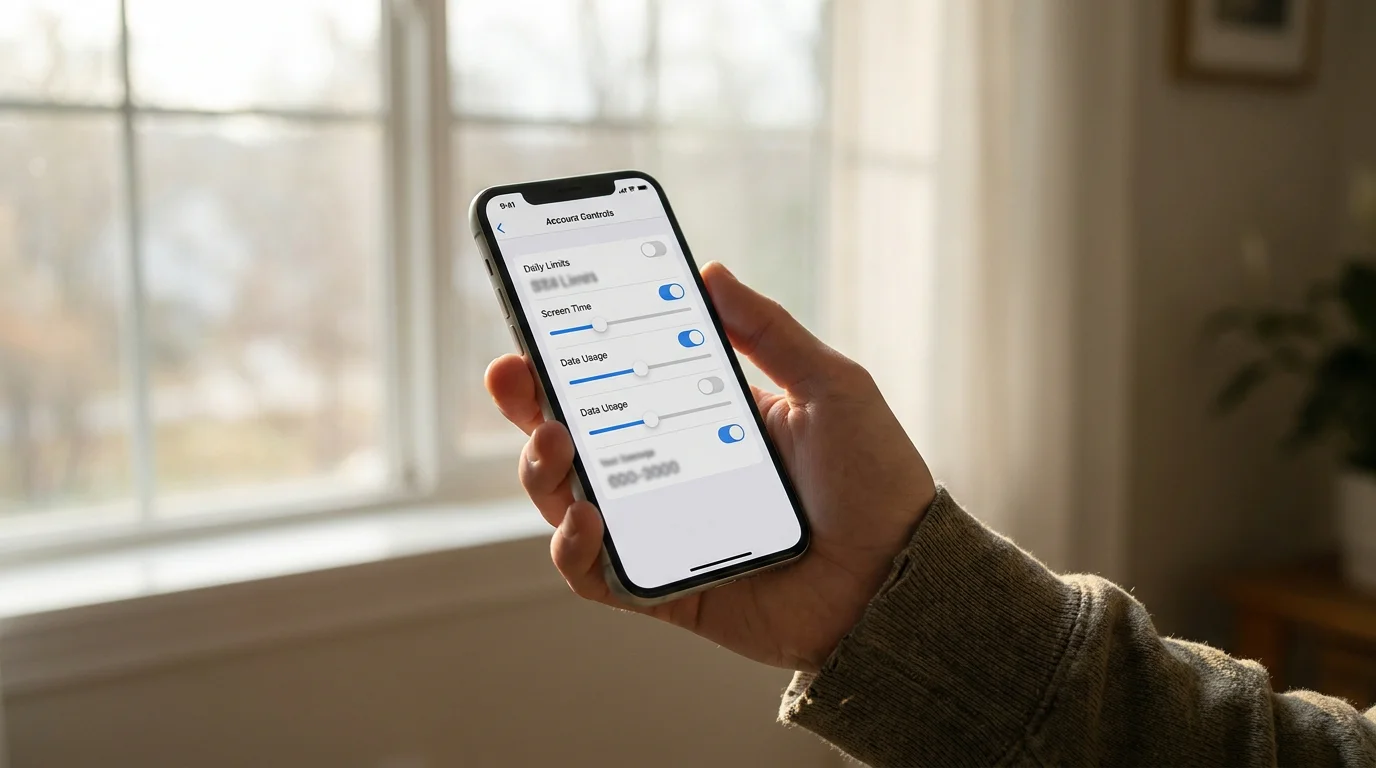
For a firmer step, GAMSTOP is the UK’s free national self-exclusion scheme. Registering with it blocks you from gambling with all licensed online operators in Great Britain for a period you choose, removing the option to bet entirely rather than relying on willpower in the moment. It’s a powerful tool precisely because it takes the decision out of your hands once you’ve made it. Alongside it, GamCare offers free, confidential support and advice, including a helpline and online resources, and BeGambleAware provides information and a route to free treatment and support. These organisations exist to help anyone, at any stage, with no judgement and no cost. The same disciplined mindset that underpins sound betting, treating your bankroll as something to protect rather than risk recklessly, runs through my colleague’s guide to tennis bankroll management and staking.

Using these tools is a sign of strength, not weakness. The punters who stay in control long-term are the ones who set sensible limits early, take breaks when they need them, and reach out for support without shame if things start to feel difficult. There is nothing clever about white-knuckling it alone, and everything sensible about using the support that’s freely available.
Building safer habits
Staying in control is mostly about habits built in calm moments, not heroic decisions made in difficult ones. The most useful habit is simple: treat betting as entertainment with a cost, like any other leisure spending, rather than as a way to make money or recover losses. When you frame it that way, the money you stake is the price of the enjoyment, and you’re far less likely to chase what’s gone or bet what you can’t afford to lose.
Practical routines help anchor that mindset. Keeping betting separate from your essential finances, taking regular breaks so it never becomes a constant background activity, and being honest with yourself and others about how much you’re betting all keep the habit healthy. With mobile betting now accounting for the great majority of online bets, the phone in your pocket makes betting constantly available, which makes these deliberate boundaries more important than ever. Deciding in advance when you will and won’t bet, and sticking to it, matters more in an always-on world than it did when you had to walk into a shop.

So I’d end where I began: control is the foundation everything else is built on. Enjoy tennis betting for what it is, a form of entertainment that’s more fun when you understand the sport deeply, and keep it firmly in that place with sensible limits, honest self-awareness, and the willingness to use the support that exists. If it ever stops being fun, the UK has free, confidential help a click or a phone call away through GamCare, GAMSTOP and BeGambleAware, and reaching for it early is the smartest, strongest move a punter can make. The fun is the point. When it stops being fun, it’s time to stop.
Articles
Created by the "AceEdge" editorial team.
