
Each-Way Outright Betting on Tennis Tournaments
 Available in US
Loading...

Two bets in one slip
My very first each-way tennis bet confused me thoroughly when it settled. My player lost in the final, yet money landed back in my account. I assumed it was a glitch. It was the place part of the bet paying out, and that moment taught me what each-way actually is: not one bet on a winner, but two bets stapled together, one on victory and one on getting close enough to count.

An each-way outright on a tennis tournament splits your stake in two. Half goes on the player to win the event outright. The other half goes on them to “place,” which on a tennis tournament usually means reaching a specified stage, most often the final, depending on the bookmaker’s place terms. If your player wins, both halves pay. If they only reach the final, the win half loses but the place half pays out at a fraction of the odds. Understanding that split is the difference between a smart longshot play and a confused punter staring at an unexpected return.
The whole appeal of each-way is that it lets you back outsiders without needing them to go all the way. A player at long odds who you fancy to have a deep run becomes a sensible bet, because you get paid for the run even if the trophy eludes them. But the value lives entirely in the place terms, and those terms vary enough that the same bet can be sharp at one bookmaker and poor at another.
How each-way place terms work
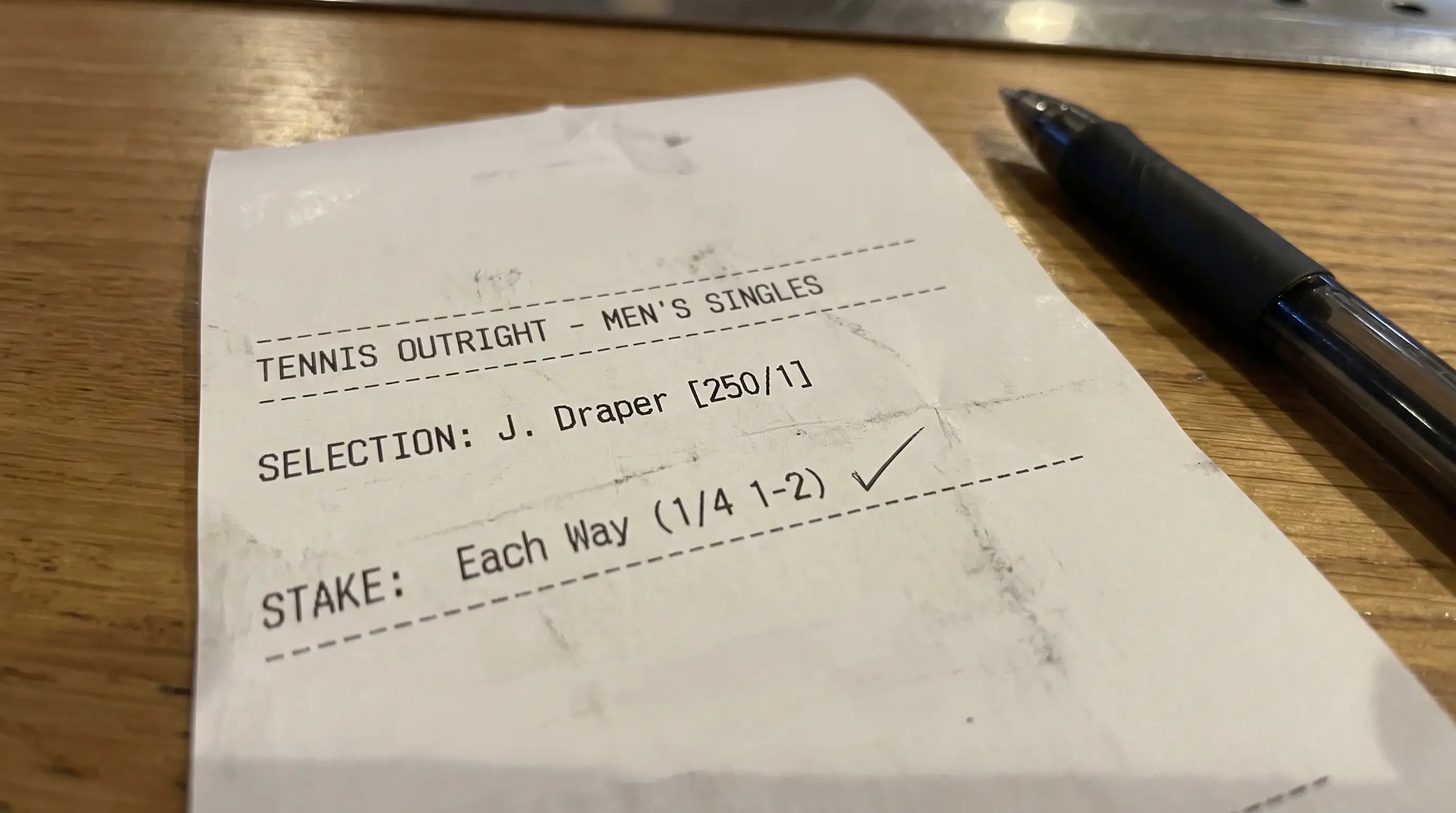
Place terms are the engine of every each-way bet, and getting them straight is non-negotiable. A bookmaker advertises each-way terms as a fraction of the odds and a number of places, for example “one quarter the odds, two places,” which on a tennis tournament typically means the two finalists. So if you back a player at 26.00 each-way and they reach the final but lose, the place part settles at a quarter of 26.00, which is 6.50, on half your stake.
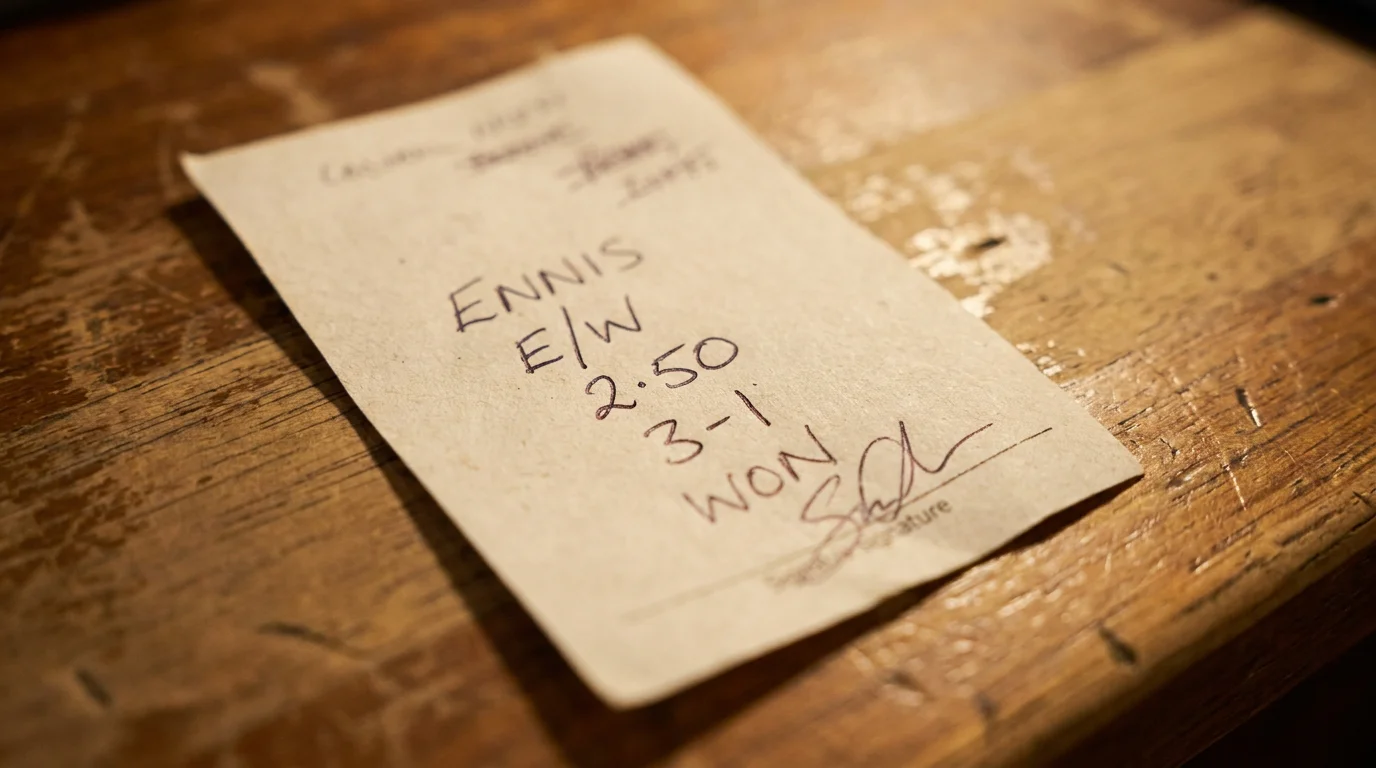
Run a clean, brand-free example. Say you stake ten pounds each-way at 26.00 with terms of a quarter the odds, two places. That’s five pounds on the win and five on the place, a twenty-pound total outlay. If your player loses in the final, the win half is gone but the place half returns your five pounds at 6.50, paying 32.50 including stake, for a profit of 12.50 on a twenty-pound bet despite your player never lifting the trophy. If they win the whole thing, both halves land and the return is substantial.
The trap is treating all each-way terms as equal. A quarter the odds over two places is meaner than a third the odds over two places, and some bookmakers offer enhanced terms or extra places on the biggest events. Because the place portion is often where the value of a longshot each-way bet actually sits, a single fraction’s difference in terms can flip a bet from worthwhile to a quiet loser. Always check the terms before the odds, because the headline price tells you only half the story.
Reading the draw
A tournament draw is a map of difficulty, and ignoring it is how punters overpay for outsiders who were never reaching the final. The moment a draw is published, I’m looking at the path my potential selection has to walk: who they’d meet in the early rounds, which seed lurks in their quarter, and whether the bracket has handed them a kind route or a brutal one.
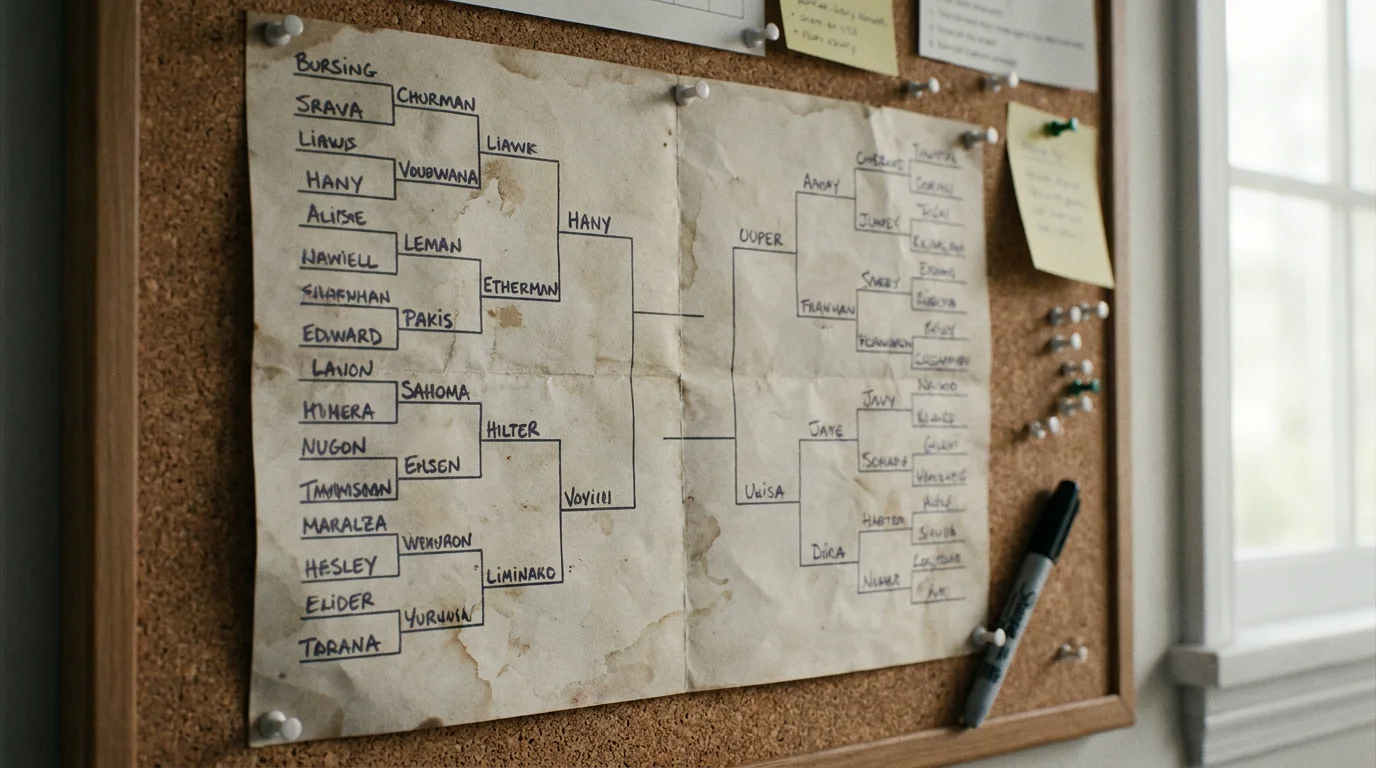
Surface specialisation makes draw-reading especially powerful in tennis, because the extremes are enormous. Across a decade-long peak, one player posted a hard-court win rate around 88% while another held a clay win rate near 91%, illustrating how completely a specialist can dominate their preferred surface. On clay, a clay specialist with a soft quarter is a far better each-way proposition than their general ranking suggests, because the draw and the surface compound in their favour. A draw that keeps the dangerous seeds away from your outsider is worth real money on the place market.
This is also where each-way value diverges from outright value most sharply. An outsider in a weak quarter might have a poor chance of winning the title but a strong chance of reaching the final, which is exactly the scenario each-way rewards. I’d rather back a draw-advantaged outsider each-way than a feared favourite at short odds, because the place insurance turns “deep run” into profit. For the wider question of which events offer the best structure for this kind of bet, my piece on the best tennis tournaments to bet on breaks down liquidity and format by tour level.
Timing the ante-post bet
When you place an each-way outright matters almost as much as which player you back, and the trade-off is straightforward once you see it. Ante-post bets, placed well before the tournament, offer the longest odds because uncertainty is highest, the draw may not even be out, and withdrawals haven’t happened yet. You’re being paid a premium for accepting that risk.

That premium comes with a sting. If your player withdraws before their first match, an ante-post bet is typically void with your stake returned, which sounds fine until you realise you’ve tied up money and missed other opportunities. Worse, if they pick up a niggle in the week before the event, you’re locked into a price set before that information existed. The closer to the off you bet, the more you know and the shorter the odds, so the question is whether the extra knowledge is worth the lost value. With tennis being the fastest-growing sport in online betting, expanding at a double-digit annual rate, these outright markets open earlier and run deeper than they used to, which gives the patient punter more room to time their entry. I tend to bet ante-post only when I have a strong, specific read that I expect the market to catch up to, and wait until the draw is out otherwise, so I’m pricing the actual path rather than a guess at it.
Articles
Written by the editors at AceEdge.
